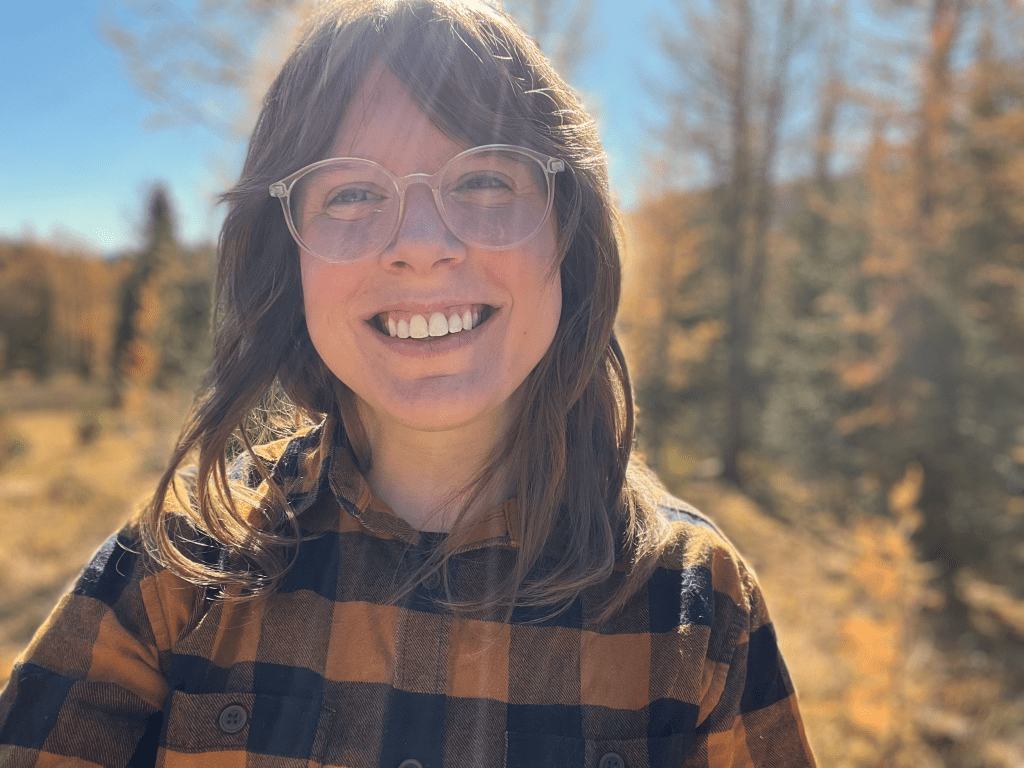
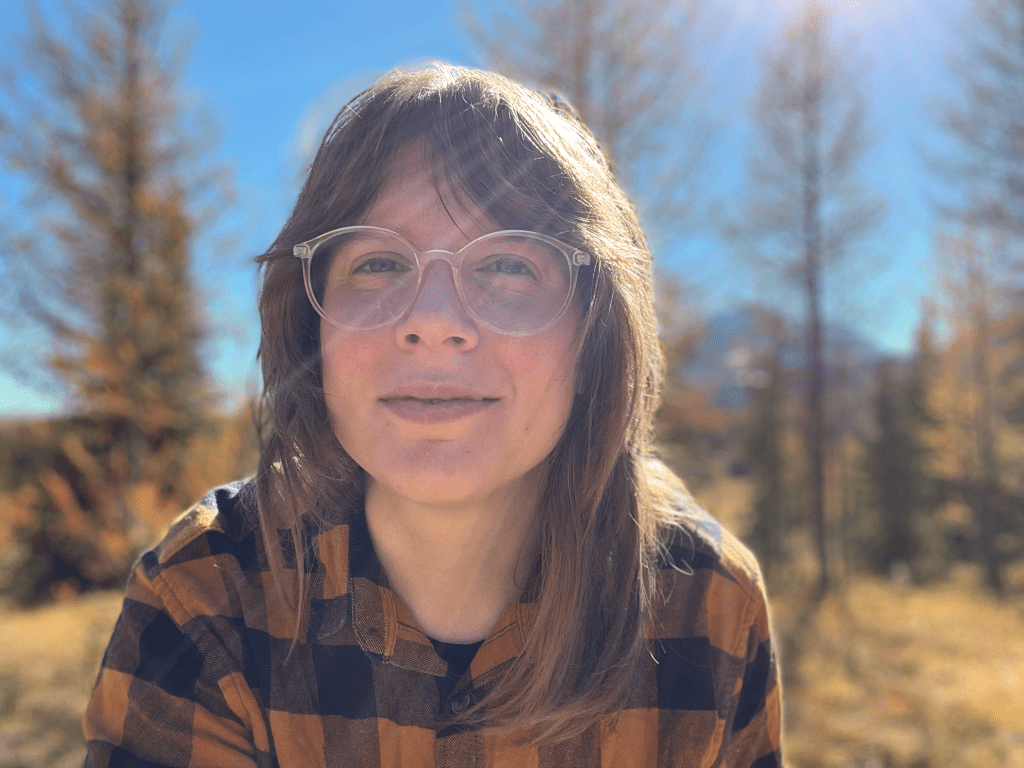
About Me
I am a Registered Psychologist working from Edmonton, within Treaty 6 Territory and the Métis homelands. I am an uninvited guest here on the traditional territories of the Nehiyaw, Denesuliné, Nakota Sioux, Anishinaabe, and Niitsitapi Nations. I graduated from the University of Lethbridge Master of Counselling program in 2020 and I am a member in good standing with the College of Alberta Psychologists and the Northwest Territories Professional Licensing Office. I am also an approved Non-Insured Health Benefits (NIHB) provider for eligible Inuit and First Nations clients.
In addition to my training as a psychologist, I am a Certified Crisis Worker (CCW) through the American Association of Suicidology and an accredited former yoga teacher through the Sattva School of Yoga. When choosing new training opportunities for my continued education and professional development, I most often focus on learning how to better serve diverse and marginalized communities, and how to use my role as a counsellor to work towards liberation and social justice.
I work from home with my two cats, Gulliver and Olive. I use they/them pronouns (feel free to ask me about this!). My great joys in life are sunshine, spending time in nature, and eating cheese. I am also passionate about social justice and finding sustainable ways to nurture myself, engage in activism, and imagine and create a better world.
More on My Social Position
For some clients, knowing my social position might be important for feeling safe, understood, and connected in counselling. Some key aspects of my identity and lived experience include:
- I am a white, uninvited guest in Treaty 6 Territory. Treaty 6 is the only home I have ever known and I feel a strong connection and deep responsibility to this land and its original stewards. I am also aware, however, that as settlers, my ancestors and I have caused harm to Indigenous communities and the Land, as well as personally benefitted from colonialism and white supremacy.
- I identify as a queer, nonbinary person and I have found that my lived experiences and queer identity can be a great resource in supporting and connecting with clients in the 2SLGBTQ+ community.
- I am part of the disability community in some ways and ‘not-yet-disabled’ in many other ways: I experience mental illness, neurodivergence, and some chronic physical problems that impact my day-to-day life. Since the COVID pandemic, I have looked to the disability community as leaders in social justice activism and scholarship, and I try to incorporate this wisdom into my personal and professional life.
I know that counselling alone is not enough to create a fair, compassionate, and inclusive society, but I embrace it as one tool for transformation and healing. I am also committed to working towards larger, systemic change and using the privilege and power inherent in my position to provide appropriate support and advocacy for my clients and community.
I know that the field of psychology has been used for violence and oppression, and continues to be a source of harm, especially for marginalized communities (to learn more about this, check out Ji-Youn Kim’s reflections on the mental health industry). I strive to hold myself and my field accountable, and practice in a way that support liberation and social justice.
My Therapeutic Approach
I take a relational, collaborative, and organic approach to therapy. Counselling with me usually looks like a warm conversation where we get to explore the deeper roots of your challenges and brainstorm how to fill missing gaps – whether through missing experiences, emotional processing, validation and meaning-making, safe relationships, connection, or practical day-to-day strategies. My first job is always to build a safe and trusting relationship with each client. I see therapeutic relationships as inherently collaborative: while I bring expertise in mental health, my clients bring expertise in their own lives.
I often describe my therapeutic “framework” as person-centered, experiential, holistic, and trauma-informed:
- Person-centred: I believe that unconditional respect and empathy, along with a deep, felt sense that each of my clients is an innately valuable, unique, important, and worthy human, is core to effective therapy. After all, before we can grow and heal, we all need to feel safe, accepted, and validated. I also believe that every client brings strengths and wisdom that we can highlight, build on, and continue to nurture. In areas where clients are struggling, I know that they are using the best tools and strategies they have right now to navigate their lives – and that everyone is wired to grow, heal, and use better strategies as soon as they are able to safely develop them.
- Experiential: While insights and information can certainly help us to change, I believe that deep change only truly happens through new, felt experiences. For example, learning about push-ups might help us do them more effectively, but ultimately we only get stronger if we actually have the experience of doing the push-ups. The same is true in counselling! New experiences in counselling can be small, like a new way of experiencing an emotion, or bigger, like feeling safe and heard in a relationship for the first time. Counselling can also support clients to try out or take in new experiences in their ‘real lives’.
- Holistic: I believe counselling is most effective when we make sure to include all aspects of your life – your mind, body, spirit, relationships, community, and sociopolitical context. Balancing needs and priorities across these different aspects is important to me – after all, the healthiest choice for you might not always prioritize your ‘mental’ health over your physical health, your spiritual beliefs, or your sociopolitical realities. As well, since counselling might not be the right tool for addressing all of these areas, I see part of my job as helping clients to access additional resources, support, and care beyond therapy.
- Trauma-Informed: I assume that all of my clients might have a trauma history, whether they want to disclose those details to me or not. As a result, I strive to emphasize consent, agency/choice, consistency, grounding, honesty/transparency, affirmation, and responsiveness in each session. If you do want to share details about trauma, it is always at your chosen pace and depth. I am happy to give space for you to share painful experiences when that is helpful, and I am also happy to work with trauma symptoms without knowing all the specific details about what you experienced.
Some of the therapeutic interventions and modalities I use most often include Rogerian Therapy, Emotion Focused Therapy (EFT), Hakomi, Attachment Theory, and Feminist and Multicultural Therapies. I also use strategies from Narrative Therapy, Somatic Experiencing (and other somatic exploration strategies), Art Therapy, Acceptance and Commitment Therapy (ACT), Existential Therapy, Solution Focused Therapy, and Cognitive Behavioural Therapy (CBT). I don’t use all of these strategies with every client – most important to me is learning what makes sense and works for each client (and what doesn’t!), then tailoring counselling for individual client needs.




 Sam Kriviak Counselling